Lime Rendering Dorset: Breathable Finishes for Coastal and Rural Homes
Thinking about lime rendering for your Dorset home? We explain why breathable render suits older solid walls and how we work across Somerset and Dorset.
Lime Rendering in Dorset: Getting the Finish Right for Older Walls
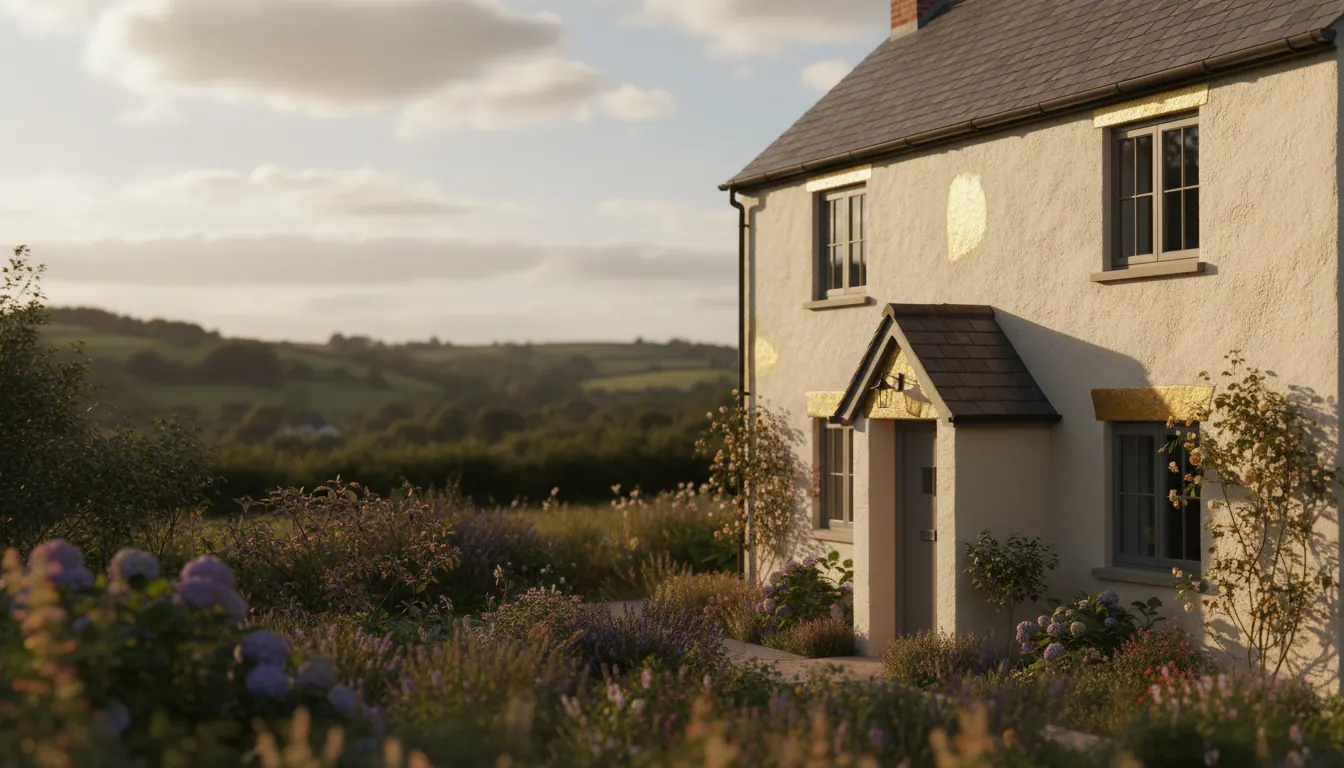
Dorset has no shortage of older properties. Stone cottages, Victorian terraces, pre-war semis and rural farmhouses are all over the county, and a good number of them share a common problem: someone, at some point, applied a hard cement render or modern sand and cement coat to walls that were never built for it.
The result is predictable. Moisture gets in through hairline cracks, becomes trapped behind the impermeable render, and the wall starts to deteriorate from the inside out. Lime rendering solves that problem. It is breathable, flexible and forgiving in a way that harder modern finishes simply are not.
We cover Dorset as part of our service area, and lime rendering on older solid-wall properties is one of the jobs we take most seriously. Here is what you need to know.
Why Solid Walls and Lime Render Belong Together
Most homes built before the mid-twentieth century were constructed with solid masonry walls, either stone or solid brick, without a cavity. Those walls were designed to absorb moisture and release it again. The original lime renders and lime plasters used on them worked in exactly the same way.
When a breathable wall gets coated in a hard, impermeable render, the moisture that would normally pass through has nowhere to go. It migrates behind the render coat, causes the bond to fail, and eventually leads to cracking, bulging and spalling. You see it on older Dorset properties all the time.
Lime render, by contrast, allows the wall to breathe. It is vapour-permeable, which means moisture can move through it rather than being trapped. It is also slightly flexible, so it accommodates the natural movement of old masonry without cracking as readily as a rigid cement coat would.
If you are looking at a Dorset property with failed or cracking render, the first question to ask is what is underneath it and what the wall is made from. That shapes everything.
Natural Lime Versus Modern Lime Renders
There are different types of lime render, and the distinction matters.
Traditional hot lime or natural hydraulic lime renders are the classic choice for genuinely old buildings, particularly those with rubble stone walls or soft handmade brick. They are mixed on site and applied in coats, with each coat needing time to carbonate before the next goes on. The result is a finish that moves with the building, repairs easily and is fully compatible with historic masonry.
Modern hydraulic lime renders are factory-prepared products that still use lime as their base but set more quickly and predictably. They are a practical option for many older Dorset homes that need a breathable finish without the specialist mixing and extended application times of traditional hot lime work.
Both types offer genuine breathability. Both are far better suited to solid masonry than cement-based alternatives.
We describe our approach as 'Modern Lime Rendering', which means we use prepared hydraulic lime products that give consistent, breathable results on older walls without compromising on what matters most: a finish that works with the building rather than against it.
For a broader look at why breathability matters so much for older Somerset and Dorset homes, our article on Lime Render for Older Solid Walls: Why Breathability Matters in Somerset Homes goes into more detail.
What to Expect When Replacing Failed Render with Lime
If an older Dorset property already has cement render on it, the process of moving to lime is more involved than simply applying a new coat on top.
The existing render usually needs to come off. Applying lime over cement is generally not advisable because the two materials have different rates of movement and different permeability. Any moisture that gets behind the lime coat will still be trapped by the cement beneath.
Once the cement render is removed, the wall underneath needs to be assessed. There may be areas where the original masonry has been affected, or where previous repairs have been carried out in incompatible materials. Getting the background right before the lime goes on is not a step to rush.
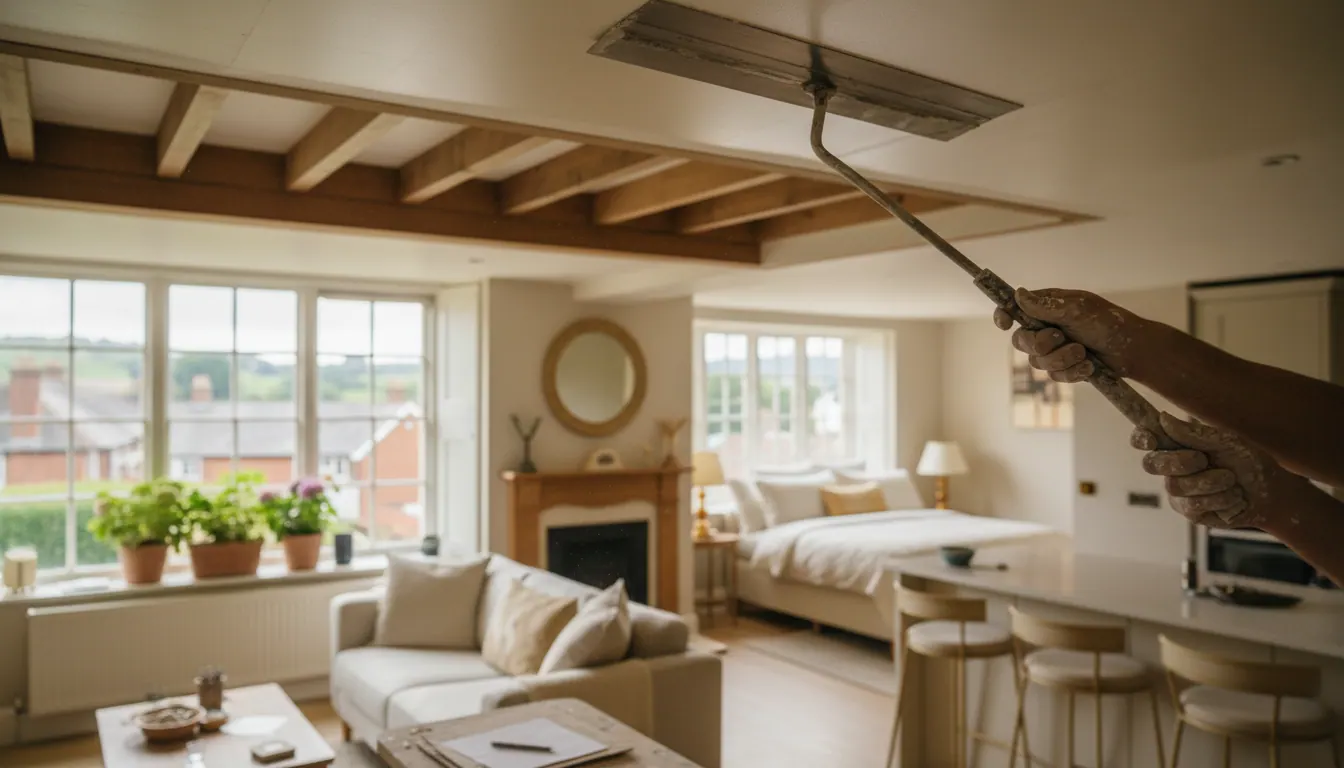
The lime render itself is typically applied in more than one coat. A scratch coat goes on first, is left to firm up, and then the finishing coats follow. The exact approach depends on the wall type, the condition of the substrate and the finish being aimed for.
Lime render also needs reasonable weather conditions. It should not go on in frost, and it should not dry out too quickly in strong sun. In Dorset, as in Somerset, the shoulder seasons of spring and autumn often give the best conditions for lime work, though plenty of summer and mild winter days are fine too.
Choosing a Finish for Lime Rendered Walls
One of the things people sometimes assume about lime render is that it can only produce a rough, rustic look. That is not the case.
Lime render can be finished in a number of ways:
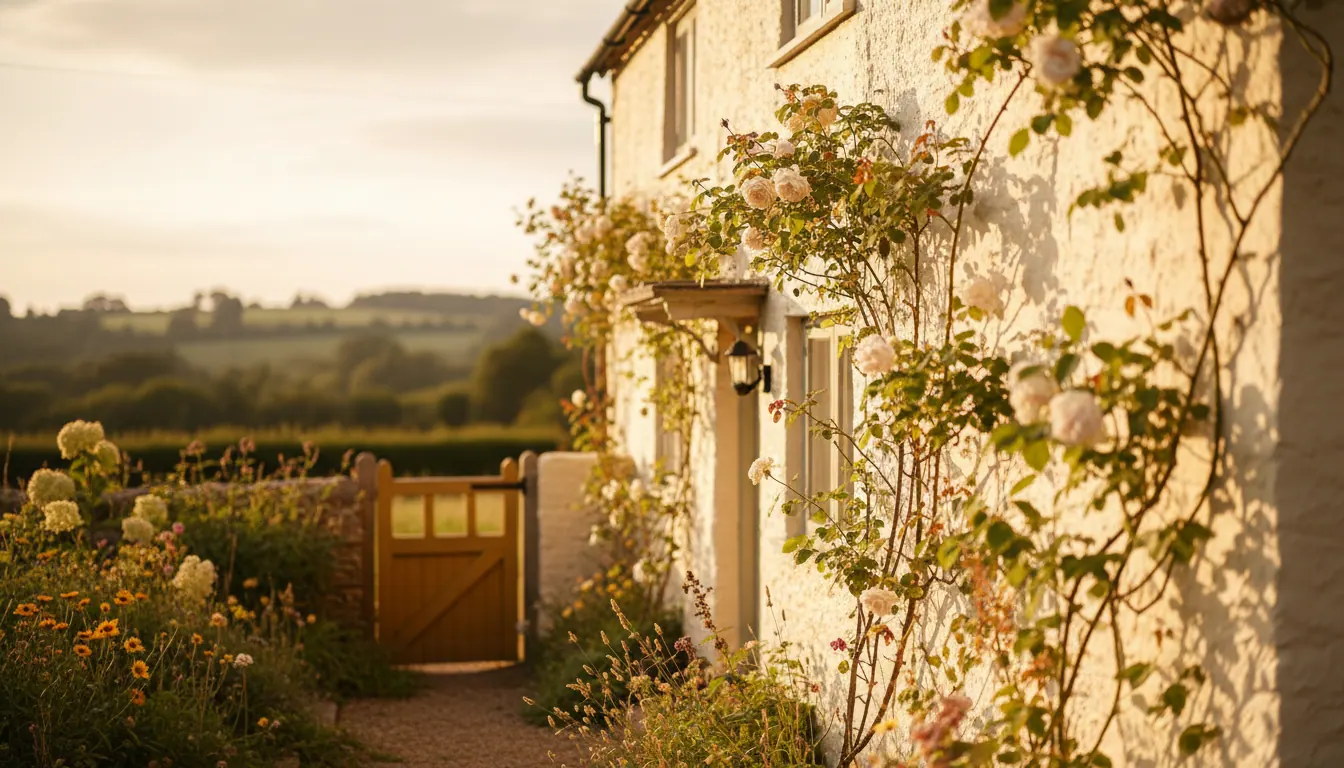
- Float finish: a textured, slightly open surface that looks natural and traditional, suits stone cottages and rural properties particularly well.
- Smooth finish: achieved by careful working of the final coat, gives a cleaner look that suits period town houses and more formal facades.
- Scraped or roughcast finishes: less common on domestic work but available for specific applications.
Lime render is typically left unpainted, as paint can reduce breathability. Some lime renders can be colour-washed with a breathable limewash, which gives a soft, traditional appearance and can be refreshed over time.
What Our Customers Say
The quality of the finish matters to us as much as the technical side of the work. This review captures what we aim for on every job:
"Lewis has done an amazing job on rendering the front of our property. Very professional clean and tidy. Will have him back to do more work on our property"
- Kim King, via Google
That applies whether we are working on a Dorset stone cottage, a Victorian terrace or a rendered bungalow. Tidy, professional work and a finish the customer is genuinely pleased with.
Lime Rendering and the Rest of Your Render Options
Lime is not the right answer for every property in Dorset. Newer homes with cavity walls, post-war bungalows and modern extensions are often better served by silicone render or monocouche, both of which offer excellent weather resistance and a wide choice of finishes.
The key is matching the render to the wall type. Silicone render on a solid stone wall is a common mistake that can cause real problems over time. Lime render on a modern cavity wall is not wrong, but it is not the most practical choice either.
If you are unsure which render suits your property, our article Rendering Dorset Homes: Weathering Coastal and Rural Conditions covers the wider picture for Dorset properties across different ages and construction types.
Frequently Asked Questions
Is lime rendering suitable for all Dorset homes, or just older ones?
Lime rendering is specifically beneficial for older solid-wall properties, typically those built before the mid-twentieth century. These walls were designed to breathe, and lime render supports that. Modern homes with cavity walls are generally better suited to silicone or monocouche renders, which offer strong weather resistance and flexibility of finish.
Can lime render be applied over existing cement render?
In most cases, no. Applying lime over cement is not recommended because cement is impermeable and far harder than lime. The two materials behave differently, and the cement beneath would still trap moisture. The right approach is usually to remove the cement render first, assess the wall, and then apply lime properly from the substrate up.
Does lime render need painting?
Not in the way most people think. Lime render is typically left unpainted or finished with a breathable limewash. Conventional masonry paint can reduce the vapour permeability that makes lime render valuable in the first place, particularly on older solid walls where breathability is the whole point.
How do we work across Dorset?
We are based in Bridgwater in Somerset and cover both Somerset and Dorset. If you are in Dorset and have an older property that needs lime rendering, or if you are not sure what type of render is right for your walls, we are happy to come and take a look and give you a free quote. Just get in touch and we can talk through what the job involves.
Get in Touch About Lime Rendering in Dorset
If you have an older Dorset property and you are wondering whether lime rendering is the right route, we are straightforward to deal with and happy to advise. We offer free quotes and we will tell you honestly what your walls need.
Get in touch with us or call us on 07444 745495. We cover Somerset and Dorset, and we take lime rendering on older homes seriously.
“Would highly recommend Lewis. He done an amazing job at our home. Turning our house into a colourful pink. Very professional and friendly. Thank you so much.”