Spray Cork Render: Texture, Finish and Suitability for Somerset and Dorset Homes
Thinking about spray cork render for your Somerset home? We explain what it is, how it works, and why it suits the local climate and older properties.
What Is Spray Cork Render?
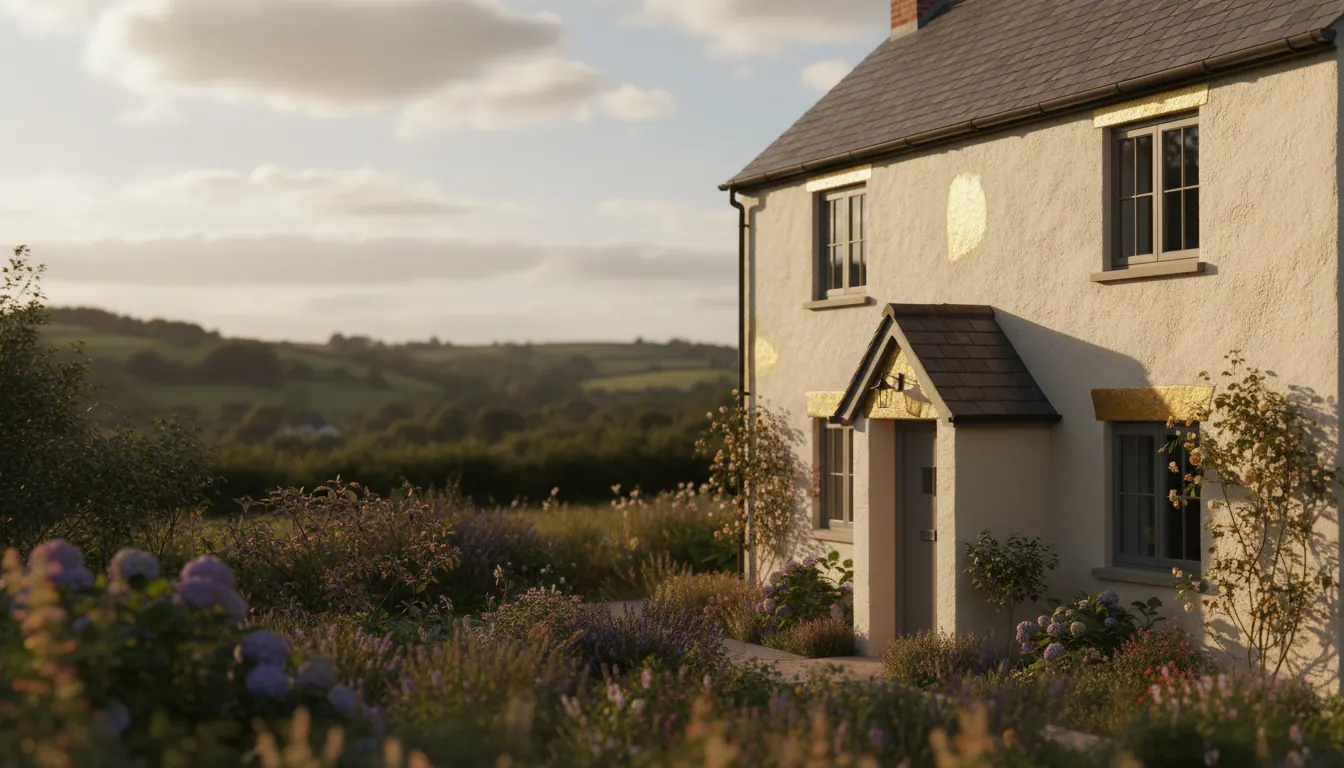
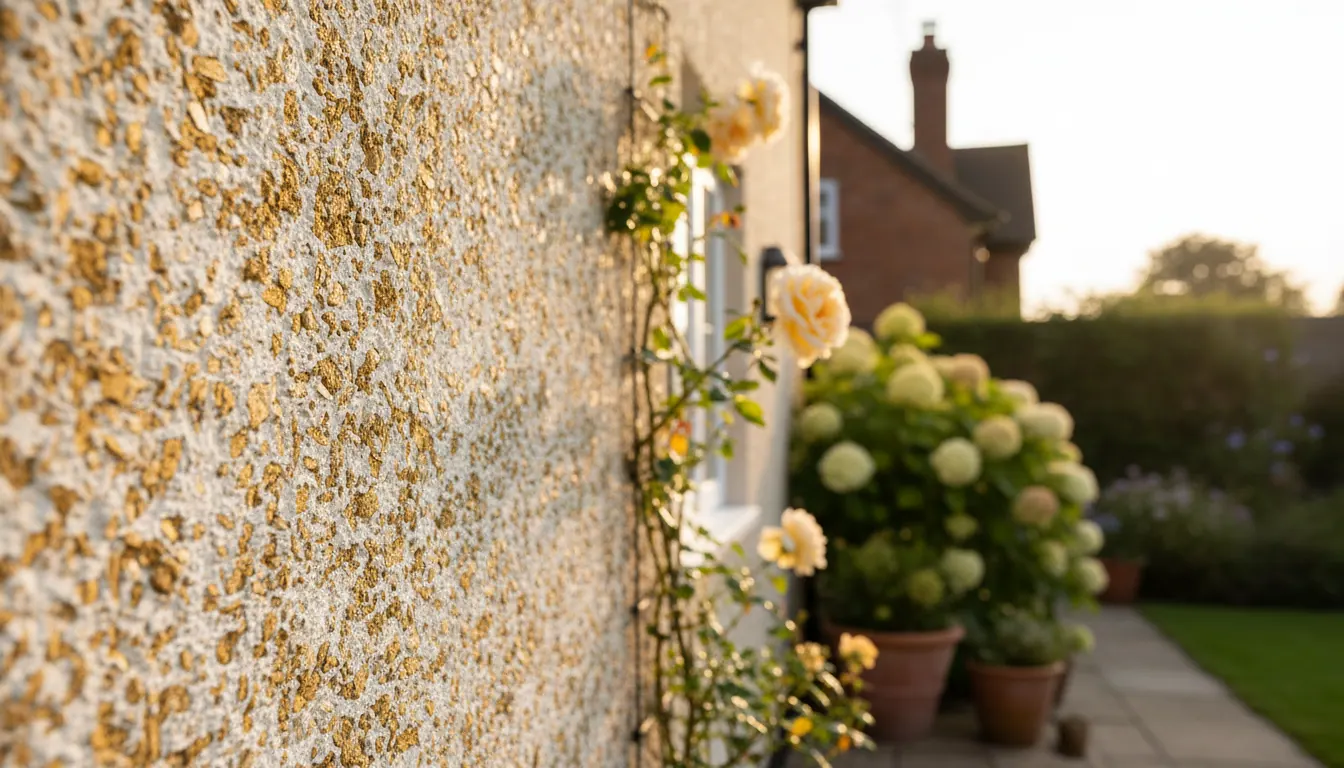
Spray cork render is one of those finishes that genuinely surprises people when they first see it up close. It is made from natural cork granules bound in a flexible, breathable base coat, and it is applied by spray to exterior walls. The result is a textured, slightly tactile surface that looks quite different from the smooth or fine-textured finishes you get with silicone render or monocouche.
It has been popular in parts of southern Europe for decades, and it is now gaining real traction across Somerset and Dorset as homeowners look for something that performs well, looks distinctive, and suits older or solid-walled properties.
We offer spray cork render across Somerset and Dorset as part of our full range of exterior rendering services.
Why Spray Cork Render Works Well in Somerset
Somerset's climate is not gentle on external walls. The Bristol Channel brings persistent westerly winds and salt-laden air to coastal areas like Burnham-on-Sea and Highbridge. Further inland, properties around Bridgwater and Taunton deal with damp winters, ground-level moisture from the Somerset Levels, and the freeze-thaw cycles that crack rigid renders over time.
Spray cork render handles these conditions well for several reasons:
- Flexibility. The cork granules give the finished coat a natural flexibility. This means it can accommodate minor movement in the substrate without cracking, which matters on older solid-walled properties that shift slightly with the seasons.
- Breathability. Cork is naturally vapour-permeable. Moisture that gets into a wall can escape, rather than being trapped behind a film-forming barrier. This is particularly important on pre-war and Victorian properties where the walls need to breathe.
- Weather resistance. The finish sheds water effectively, keeping the wall surface drier through wet winters without sealing the substrate.
- Thermal performance. Cork has natural insulating properties. While a thin coat of render is not a substitute for cavity or solid wall insulation, the material does add a modest layer of thermal buffering to the wall surface.
None of that is marketing language. It is simply what the material does, and it is why we think it is worth considering seriously for the right property.
Which Properties Suit Spray Cork Render?
Spray cork render is a versatile finish, but it is not the right answer for every job. Here is how we think about it:
Good candidates:
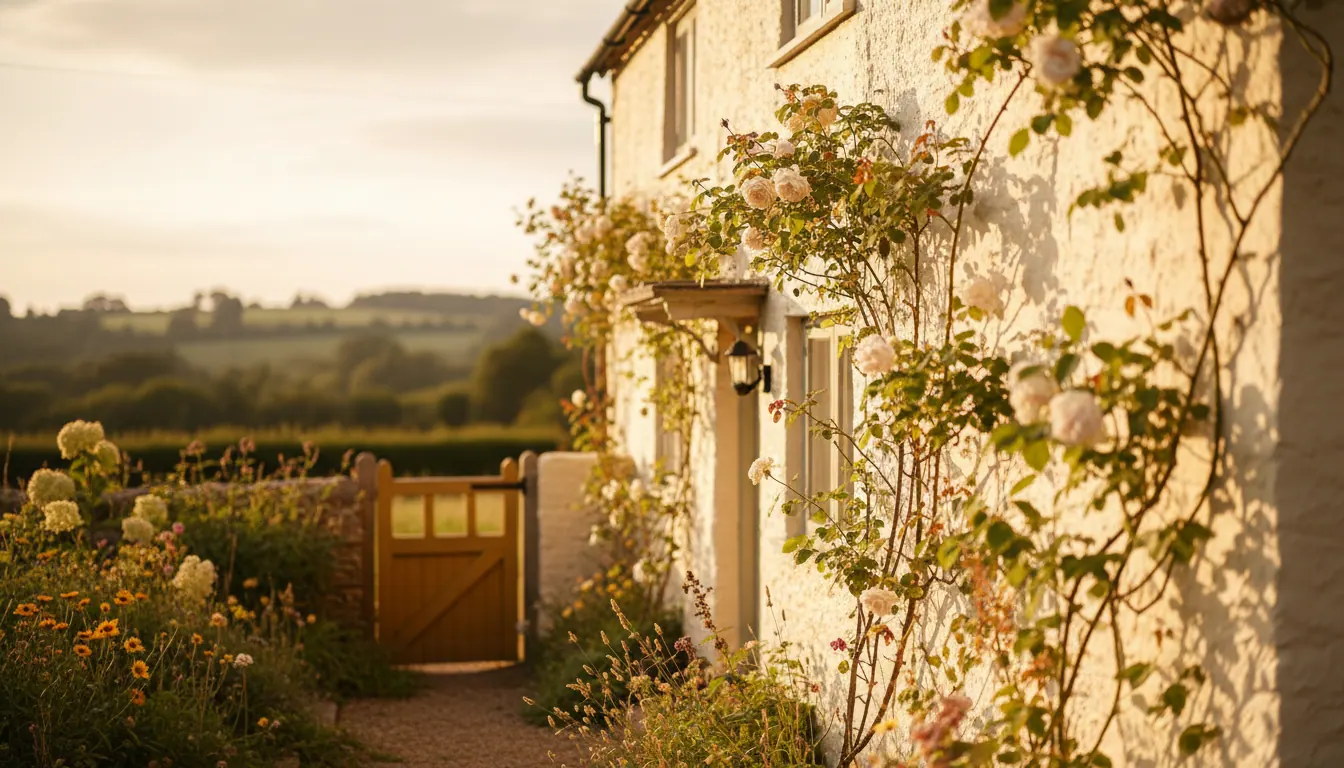
- Older solid-walled houses, bungalows and cottages across Somerset and Dorset where breathability is a priority
- Properties where existing cement render has failed and needs replacing with something more flexible
- Homes where the owner wants a natural, earthy texture rather than a smooth or very fine finish
- Coastal properties in Burnham-on-Sea, Highbridge and along the Somerset coast where salt air and wind exposure are a real factor
Worth discussing first:
- Modern cavity-wall houses where the wall construction is already well-sealed: here silicone render or monocouche may be a more straightforward choice
- Properties with heavy surface contamination or structural cracking that needs addressing before any render goes on
If you are not sure which render type suits your property, our article on Rendering vs Plastering: Which One Does Your Somerset Home Need? walks through the key differences and helps you think it through.
How Spray Cork Render Is Applied
The process starts well before the spray gun comes out.
Surface preparation is everything. We clean the wall, check for any loose or failed material, and apply a primer or base coat suited to the substrate. On older solid walls, we make sure the surface is sound and that any previous render that has blown or cracked is removed properly. Skipping this step is how render fails prematurely, regardless of how good the topcoat is.
Once the surface is ready and the primer has cured, the cork render is applied by spray in an even, consistent pass. The texture builds up naturally from the cork granules, and the finish can be adjusted slightly depending on the granule size used. Most finishes have a warm, natural appearance that sits well against brick reveals, timber windows and traditional Somerset stonework.
Colour is part of the mix rather than a separate paint coat. Like silicone render and monocouche, spray cork render is a through-coloured product. The colour you choose is in the material itself, which means there is no film of paint on the surface to peel or fade in the same way. The range of colours available leans towards natural, earthy tones, which suits the character of most Somerset and Dorset properties very well.
After application, the surface needs time to cure before it is exposed to rain or frost. We always keep a close eye on the weather forecast when scheduling render work, particularly through autumn and winter.
Spray Cork Render vs Other Render Types
We work with silicone render, monocouche and lime render as well as spray cork, so we can give you an honest comparison rather than a sales pitch for one product.
Spray cork vs silicone render: Silicone render gives a finer, smoother finish and an enormous range of colours. It is highly water-repellent and very low-maintenance. Spray cork has a more textured, natural appearance and offers better breathability on older walls. Both are flexible and durable.
Spray cork vs monocouche: Monocouche is a one-coat through-coloured render with a float or scraped finish. It is a robust, workmanlike choice for modern and period properties alike. Spray cork is softer in texture and more obviously natural-looking. For a property where the character of the building matters, spray cork can feel more in keeping.
Spray cork vs lime render: Lime render is the traditional choice for pre-1919 solid-walled properties, and for listed buildings or cottages where breathability is critical. Spray cork is also breathable, but lime render has a longer track record on historic fabric and is the material we would usually recommend for very old or sensitive buildings. Our article on Lime Render for Older Solid Walls: Why Breathability Matters in Somerset Homes covers that in more detail.
What Our Customers Say
Exterior render work done well makes a real difference to how a home looks and how it performs through the seasons. Here is what one of our customers had to say after we rendered the front of their property:
"Lewis has done an amazing job on rendering the front of our property. Very professional clean and tidy."
- Kim King, via Google
That combination of quality finish and a clean, tidy job is what we aim for on every render project, whether it is a single elevation or a full wrap of a property.
Maintaining Spray Cork Render
One of the practical advantages of spray cork render is that it is relatively low-maintenance compared with painted or sand-and-cement finishes. There is no paint coat to re-apply on a regular cycle, and the through-colour means that minor surface weathering does not expose a different colour beneath.
That said, like any exterior finish, it benefits from occasional attention:
- A gentle clean with a low-pressure hose or soft brush removes surface algae and general grime
- Check the render around windows, door frames and junctions periodically, as these are the areas most likely to develop hairline gaps as the building moves
- If you notice any cracking or areas that sound hollow when tapped, get them looked at before water gets in behind the render
Good maintenance is really just keeping an eye on things. Most spray cork renders go many years without needing anything beyond a clean.
Frequently Asked Questions
Is spray cork render suitable for older Somerset cottages?
Yes, and it is often a good choice for them. Older solid-walled properties need a render that allows moisture to move through the wall rather than trapping it. Spray cork is vapour-permeable, which means it supports the natural drying behaviour of solid masonry. We would always assess the individual property first, because some very old or sensitive buildings are better suited to traditional lime render.
Can spray cork render be applied over existing render?
It depends on the condition of what is already there. If the existing render is sound, well-bonded and free from blown or cracked sections, it may be possible to prepare and overcoat it. If the existing render has failed in patches or has significant movement cracks, it is usually better to remove it and start from a clean substrate. We always check before advising.
What colours are available in spray cork render?
The colour range for spray cork tends towards natural, warm tones: creams, off-whites, sandy buffs, light greys and terracottas. It is not as wide a palette as silicone render, but the colours available suit the majority of Somerset and Dorset properties very well. Because the colour is in the material itself, it does not peel or require repainting.
Does spray cork render work on rendered garden walls and garages?
Yes. It is not limited to main house elevations. Garden walls, garage blocks and outbuildings can all be finished in spray cork render where the substrate is suitable. It is a good way to tie outbuildings in with the main house finish.
Get in Touch
If you are considering spray cork render for your home in Somerset or Dorset, we are happy to come and take a look and give you a free, no-obligation quote. We cover Bridgwater, Taunton, Yeovil, Burnham-on-Sea, Highbridge and the wider Somerset and Dorset area.
Get in touch with us here or call us on 07444 745495. We will talk through what suits your property and give you a straight answer.